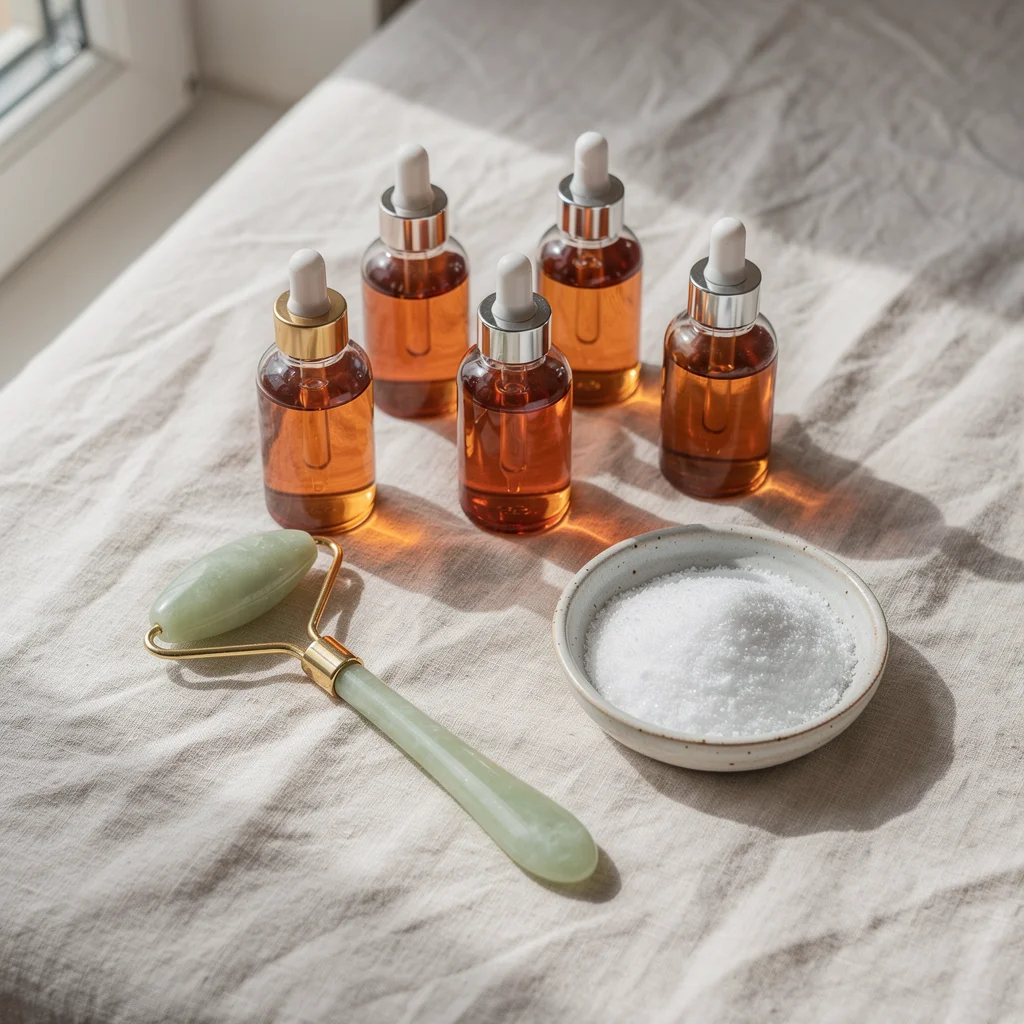
Skin care supplements fall into two categories: oral collagen/antioxidant supplements that work from the inside, and topical treatments that target skin directly. The strongest clinical evidence supports retinoids (vitamin A derivatives), hyaluronic acid, vitamin C, and hydrolyzed collagen peptides. Most anti-aging claims beyond these ingredients are weakly supported or unsupported.
The honest limitation: no supplement reverses aging. The best products slow visible signs, fine lines, loss of elasticity, uneven tone, and the research supports modest improvements over months of consistent use, not dramatic overnight results.
Topical vs. Oral: Understanding the Difference
A common question is whether topical products or oral supplements work better for skin health. The comparison depends on your goal: topicals deliver active ingredients directly to the skin surface and upper layers, while oral supplements support skin structure from the inside by providing building blocks like collagen peptides and antioxidants.
| Factor | Topical Products | Oral Supplements |
|---|---|---|
| Primary target | Epidermis + upper dermis | Dermis (deep skin structure) |
| Speed of visible results | 2-4 weeks | 8-12 weeks |
| Best for wrinkles | ✓ Retinoids, peptides | ✓ Collagen peptides |
| Best for elasticity/hydration | Moderate (HA, ceramides) | ✓ Strong evidence |
| Whole-body skin benefit | ✗ Localized only | ✓ Systemic |
| Typical monthly cost | $30-90 | $20-55 |
Top Picks
1. StriVectin
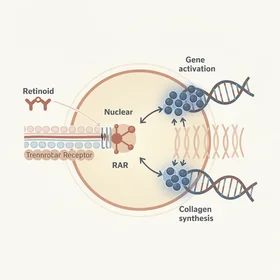
StriVectin is a premium topical skin care line that originated from stretch mark research. Their flagship products use NIA-114 (a patented niacin derivative) alongside peptide complexes and retinol. Clinical testing shows measurable improvements in wrinkle depth and skin elasticity.
What sets it apart: patented NIA-114 technology with published clinical data. Multiple product lines targeting specific concerns (wrinkles, firmness, dark spots). Available at major retailers (Ulta, Nordstrom, Sephora).
Limitations: premium pricing ($30-$90+ per product). Topical only, doesn't address skin health from the inside. Results require consistent daily use over 4-8 weeks minimum.
2. Vital Proteins Collagen Peptides
Vital Proteins (owned by Nestle Health Science) is the category leader in oral collagen supplementation. Their collagen peptides powder provides hydrolyzed bovine collagen that clinical research shows can improve skin elasticity and hydration when consumed daily. Multiple peer-reviewed studies support oral collagen supplementation for skin health.
What sets it apart: massive brand trust, widely available, neutral-tasting powder format that mixes into any beverage. Backed by Nestle Health Science. Uses VERISOL collagen peptides with their own published clinical trials showing reduced wrinkle depth after 8 weeks.
Limitations: bovine-sourced (not vegetarian). Benefits take 4-12 weeks to manifest. The supplement market has many low-quality collagen products, brand matters here.
3. Garden of Life mykind Organics Collagen Builder
Garden of Life mykind Organics offers a plant-based collagen builder for people who want skin support without animal-derived ingredients. Rather than providing collagen directly, it supplies the building blocks (vitamin C, silica, biotin) your body needs to produce its own collagen.
What sets it apart: USDA Organic, Non-GMO Project Verified, vegan. Addresses a real gap for plant-based consumers. Reputable brand owned by Nestle Health Science.
Limitations: indirect mechanism, provides collagen precursors rather than collagen itself. Clinical evidence for collagen "builders" is weaker than for hydrolyzed collagen peptides. Higher price per serving than conventional collagen.