
Antioxidant supplements aim to neutralize free radicals, unstable molecules that damage cells and contribute to aging, inflammation, and chronic disease. The most researched antioxidant compounds include vitamin C, vitamin E, resveratrol, CoQ10, NAD+ precursors (NMN, NR), astaxanthin, and polyphenols from green tea, grape seed, and turmeric.
The honest limitation: the "antioxidant" category is one of the most overhyped in supplements. Large clinical trials (like the SELECT trial and ATBC study) showed that isolated high-dose antioxidant supplements (vitamin E, beta-carotene) can actually be harmful in some populations. The science now favors whole-food-derived antioxidant complexes and targeted compounds (resveratrol, NAD+ precursors) over megadose individual vitamins.
Targeted vs. Broad-Spectrum: Comparing Approaches
The biggest difference between antioxidant products is whether they take a targeted approach (one or two specific compounds at clinical doses) vs. a broad-spectrum approach (dozens of ingredients from whole-food sources). Each has trade-offs.
| Factor | Targeted (e.g. ResveraCel) | Broad-Spectrum (e.g. AG1) | Multi-Vitamin (e.g. Life Extension) |
|---|---|---|---|
| Ingredients at clinical dose | ✓ 2-4 compounds | ✗ Most sub-therapeutic | ✓ Core vitamins/minerals |
| Whole-food matrix | ✗ | ✓ | ✗ |
| Longevity-pathway focus | ✓ NAD+, sirtuins | Partial | ✗ |
| Third-party certified | ✓ NSF | ✓ NSF | ✗ |
| Price (monthly) | ~$50-60 | ~$79 | ~$12-18 |
The era of megadose antioxidant supplementation is over. The evidence now points toward targeted NAD+ support and whole-food polyphenols rather than high-dose isolated vitamins.
David Sinclair, PhD, Harvard Medical School, Lifespan (2019)
Top Picks
1. Thorne ResveraCel
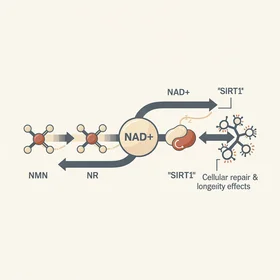
Thorne ResveraCel combines nicotinamide riboside (NAD+ precursor), resveratrol, quercetin, and betaine, targeting cellular aging through NAD+ support and sirtuin activation. This is a longevity-focused formula rather than a traditional antioxidant mega-dose.
What sets it apart: Thorne is one of the most respected supplement brands among physicians. Uses NIAGEN nicotinamide riboside (patented, clinically studied form). NSF Certified for Sport. Third-party tested. The NAD+/sirtuin pathway has strong and growing research behind it.
Limitations: expensive (~$50-60/month). NAD+ research is promising but still emerging, most studies are in animal models or early human trials. Resveratrol bioavailability remains a challenge despite formulation efforts.
2. Life Extension Two-Per-Day
Life Extension Two-Per-Day is a high-potency multivitamin that delivers meaningful antioxidant doses, including forms like natural mixed tocopherols (vitamin E), L-methylfolate, and bioavailable mineral forms, rather than the synthetic bargain-bin forms found in most multivitamins.
What sets it apart: ingredient quality far exceeds Centrum or One-A-Day at a modest price point. Life Extension has funded over $200M in independent research. Uses bioavailable nutrient forms. Good antioxidant coverage (vitamin C, E, selenium, zinc, alpha-lipoic acid) without dangerous mega-doses.
Limitations: it's a multivitamin, not a targeted antioxidant. Two pills per day. Some doses may still exceed what clinical evidence supports. Not USP or NSF certified.
3. Athletic Greens AG1
AG1 is a whole-food greens powder containing 75 ingredients, including spirulina, chlorella, grape seed extract, coenzyme Q10, milk thistle, and adaptogenic mushrooms. It aims to provide broad antioxidant, prebiotic, and micronutrient coverage from real food sources.
What sets it apart: whole-food approach aligns with current science favoring food-matrix antioxidants over isolated compounds. Massive brand presence and consumer following. NSF Certified for Sport. Convenient one-scoop daily format.
Limitations: expensive (~$79/month). Proprietary blends make it hard to know exact doses of individual ingredients. Some ingredients are included at likely sub-therapeutic amounts given the 75-ingredient list. Marketing spend exceeds research spend. Not a replacement for actual fruits and vegetables.
For the latest supplement industry news including FDA actions and clinical trial updates, see Supplement News. For a comprehensive supplement guide across all categories, visit The Supplement Guide.